
In the modern digital world, website development is no longer a luxury; it is a necessity. A properly designed site is the key to your online presence, whether you are a small business, a freelancer, or an entrepreneur. But what is the actual development of the websites? This is a comprehensive outsourcing guide to guide you through all of the steps of the process, including but not limited to planning and designing, deployment, and maintenance.
What is Website Development?
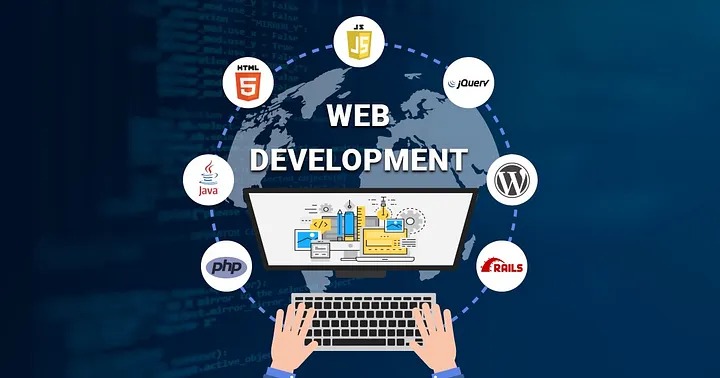
Website development entails the development and maintenance of websites. It requires a number of steps, including layout design, coding functionality, content creation, and user experience and SEO optimization. In straightforward terms, the development of a website entails all that makes a web site work and reach the user ‘s internet.
There are two main aspects:
Frontend Development: The section that the user interacts directly with (HTML, CSS, JavaScript).
Backend Development: The server-side that handles data and functionality (languages such as PHP, Python, or Node.js).
The importance of Website Development
A professionally made website would help build credibility, interest potential buyers, and enhance brand recognition. Some major benefits include:
- Online Hours 24/7: 24 hours a day and 7 days a week, your business is available.
- Brand Credibility: A properly developed site boosts credibility.
- Customer Engagement: Visitors are engaged through interactive design and optimized content.
- Revenue Growth: Conversions are made by E-commerce and lead generation tools.
- SEO Benefits: Search engines prefer developed mobile-friendly websites.
To put it briefly, digital marketing success starts with the development of websites.
Important Website Development Steps
-
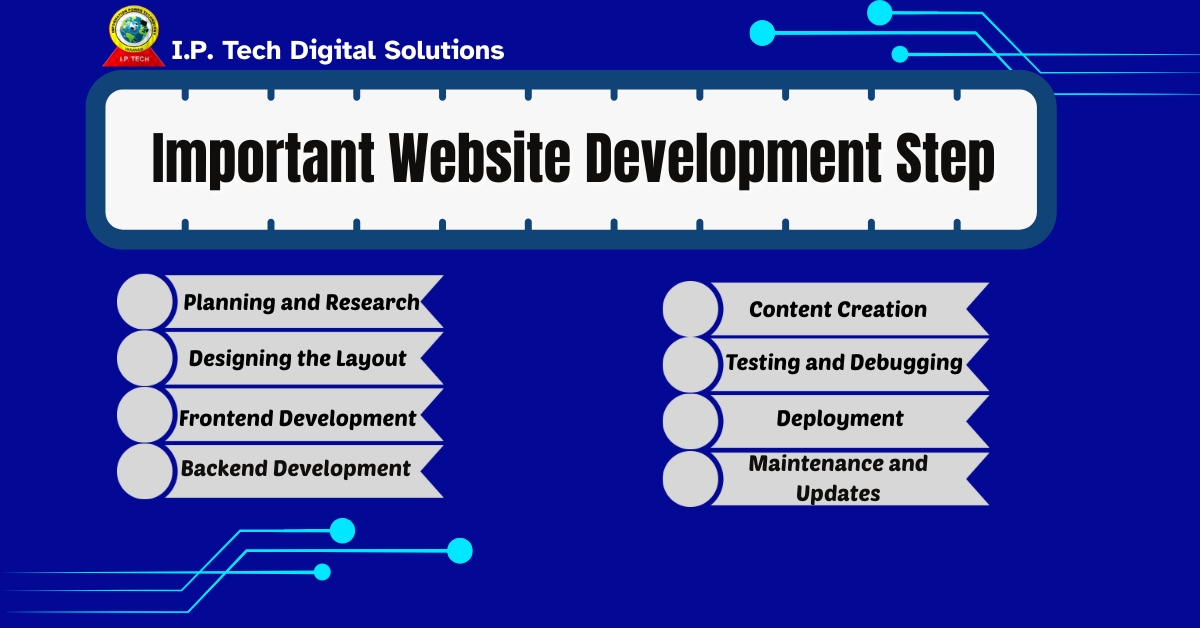
Planning and Research
It is important to plan your website before you start writing one line of code. Determine your objectives, audience, and competitors. Draw out a sitemap of your web site.
Key tasks:
- Determine the purpose of your site.
- Keywords in the research (such as the development of websites).
- Create a content strategy.
-
Designing the Layout
Design is what the visitors will see initially on your site. It should also be attractive and easy to use. Create mockups with the help of design tools such as either Figma or Adobe XD.
Tips:
- Keep navigation simple.
- Apply fonts and colors that are similar.
- Optimize for mobile devices.
-
Frontend Development
Frontend development deals with what the users can see. Developers use:
- HTML – for structure
- CSS – for styling
- JavaScript – to be interactive
- |human|>JavaScript- to be interactive
These technologies make your design a complete functioning internet site.
-
Backend Development
The development of the back ends is made to ensure that nothing goes wrong behind the scenes. It deals with the processing of data, connecting of databases, and authentication of users.
- Widespread backend technologies:
- Languages: PHP, Python, Ruby, Node.js
- Databases: PostgreSQL, MongoDB, MySQL.
The website should be developed with a secure and smooth backend.
-
Content Creation
Content is king. Effective and interesting, and keyword-Optimized content would aid your site in ranking higher at search engines.
Best practices:
- Write pertinent content for your audience.
- Make use of your primary word of concern (website development).
- Insert graphical content such as graphics and charts.
-
Testing and Debugging
Have your website tested in various devices and browsers before launching it. Fix broken links, slow loading or design.
- Use tools like:
- Google PageSpeed Insights
- GTmetrix
- BrowserStack
Tests will make sure that your project of creating a website gives the user a smooth experience.
-
Deployment
After all the tests are done, you can make your site live. Select a reputable web hosting company and create a domain name.
- Popular hosting options:
- Bluehost
- SiteGround
- Hostinger
Once it is deployed, your site development process enters the maintenance process.
-
Maintenance and Updates
Constant updates make your site safe, quick, and pertinent. Maintenance tasks include:
- Maintaining programs and extensions.
- Monitoring uptime
- Backing up files
Updating content on a regular basis
Wireless development of websites is never a real ending process, but it is developed depending on how your business requires it.
- Common Tools and Technologies of Website Development.
- Category Tools/Technologies
- Frontend HTML5, CSS3, JavaScript, React, Angular.
- Frameworks: Node.js, PHP, Python, Ruby on Rails.
- CMS WordPress, Joomla, Drupal
- Design Figma, Adobe XD, Canva
- Hosting Hostinger, Bluehost, AWS.
With the appropriate tools, you can have an easy time developing a website and make sure it is efficient.
Modern trends in website development
The development of websites keeps changing. The following are some of the current trends that are influencing the industry:
- AI-Powered Design Tools
- No-Code/Low-Code Platforms
- Progressive Web Apps (PWAs)
- Dark Mode UI
- Voice Search Optimization
To be on top of these trends may provide your website with a competitive advantage.
Top Ten Website Development Structures
- Disregarding mobile responsiveness.
- Using poor-quality images
- Neglecting SEO
- Plugin and script overloading.
- Not testing properly
By preventing these errors, the process of website development will be easier and more successful.
Conclusion
The development of the website is a science and an art. To the novices, planning maintenance is what matters in the development of a strong online presence. No matter whether you do it yourself or you employ professionals, quality website development is a sure way to have success on the digital level in the long run.
It is not just a marketing tool but a well developed site is your digital brand identity.
FAQs
1. What is website development?
Website development is the act of creating, constructing, and sustaining websites with the aid of programming languages, platforms, and web designing tools.
2.What is the time required to create a website?
It depends on complexity. Small sites can be completed within 1 to 2 weeks, whilst big projects can take some months.
3. Should I know some code to develop a website?
Not necessarily. Websites can be built without writing code with platforms such as WordPress and Wix, although knowledge of simple HTML/CSS can be beneficial.
4. How much would it cost to develop the website?
Prices are dependent on the design, features, and platform; they usually start with 10000 rupees of simple sites and go up to lakhs of rupees of complex projects.
5. What is the most appropriate platform to be used by beginners?
WordPress is extensively suggested because of its flexibility, ease of use, and huge support society.